
2018-2020
What we did
• Social network analisys
• Machine Learning
• Design Principles
• Built a Design System
• Branding
• Product vision and implementation
Outcomes
Downloads
Active users
Wallets created
B3 Partnership
Overview
As the Brazilian stock market embarked on a national expansion, XP Inc. — the leading company responsible for democratizing investing in Brazil — invited us to design, develop, and launch a new app-based social network for iOS and Android.
The goal? To connect retail investors and expand stock market culture and education, turning that engagement into new, qualified customer leads. People could follow stocks, news, analysts, portfolios, and other retail investors, and simulate investments with real-time market data — all designed to nurture the conversation around investing.
To build a custom social network for retail investors, we first absorbed mountains of data on customer behavior and existing investment communities, such as the Brazilian investing cluster on Twitter, to understand the space and identify opportunities with the help of proprietary machine learning and social network analysis tools. We also made sure the network launched with meaningful content and real interactions from day one, so it felt alive, credible, and safe from the very first use — never like an empty room.
Two months after launch, the app had reached 60,000 users.

Awards & Recognition
XP lança a Leadr, o Facebook dos investimentos. Read More

Leadr lança simulador para usuários operarem na bolsa de valores em tempo real. Read More

Nasdaq congratulates Leadr on the launch of their new app. Read More

XP mais próxima da NASDAQ. Read More

Key takeaways
1. Bootstrapping a Community From Zero
2. Building a Design System on Principle, Not Just Pattern
3. Where Principle Met Algorithm
4. Testing before investing
5. Turning Practice Into Prize
A social network is only as good as its first scroll. Before Leadr could ask real investors to show up, it needed something worth showing up for — and no community to write it yet. So we didn't wait. We built the content instead.
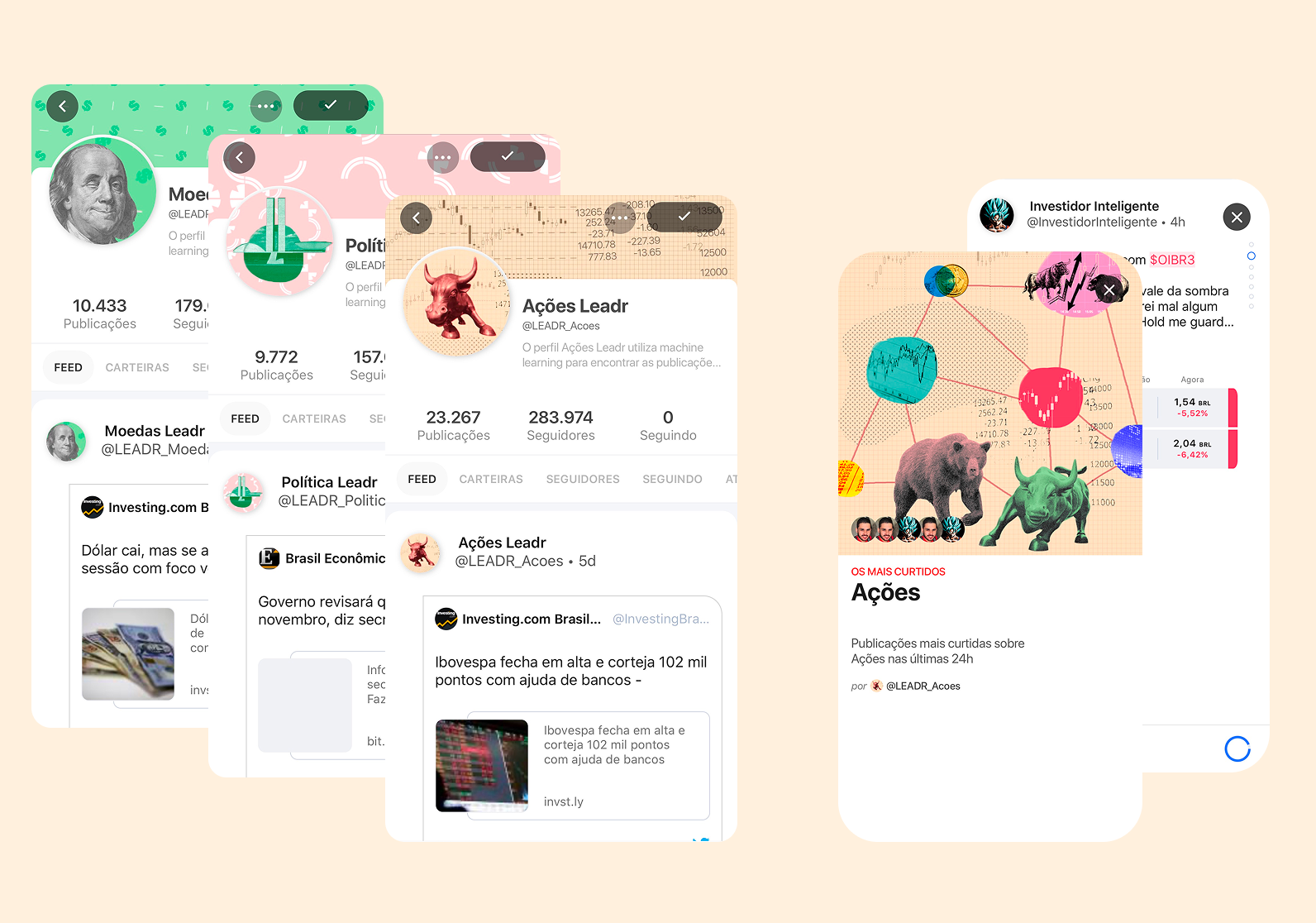
We designed a machine learning pipeline that mined real-time conversations happening on Twitter around Brazilian markets, then refined and organized them into themed, always-on Leadr profiles. Leadr Ações became the platform's pulse on Brazilian equities, continuously surfacing the sharpest market chatter and republishing it natively inside the app — turning public noise into a curated, on-brand feed from day one.
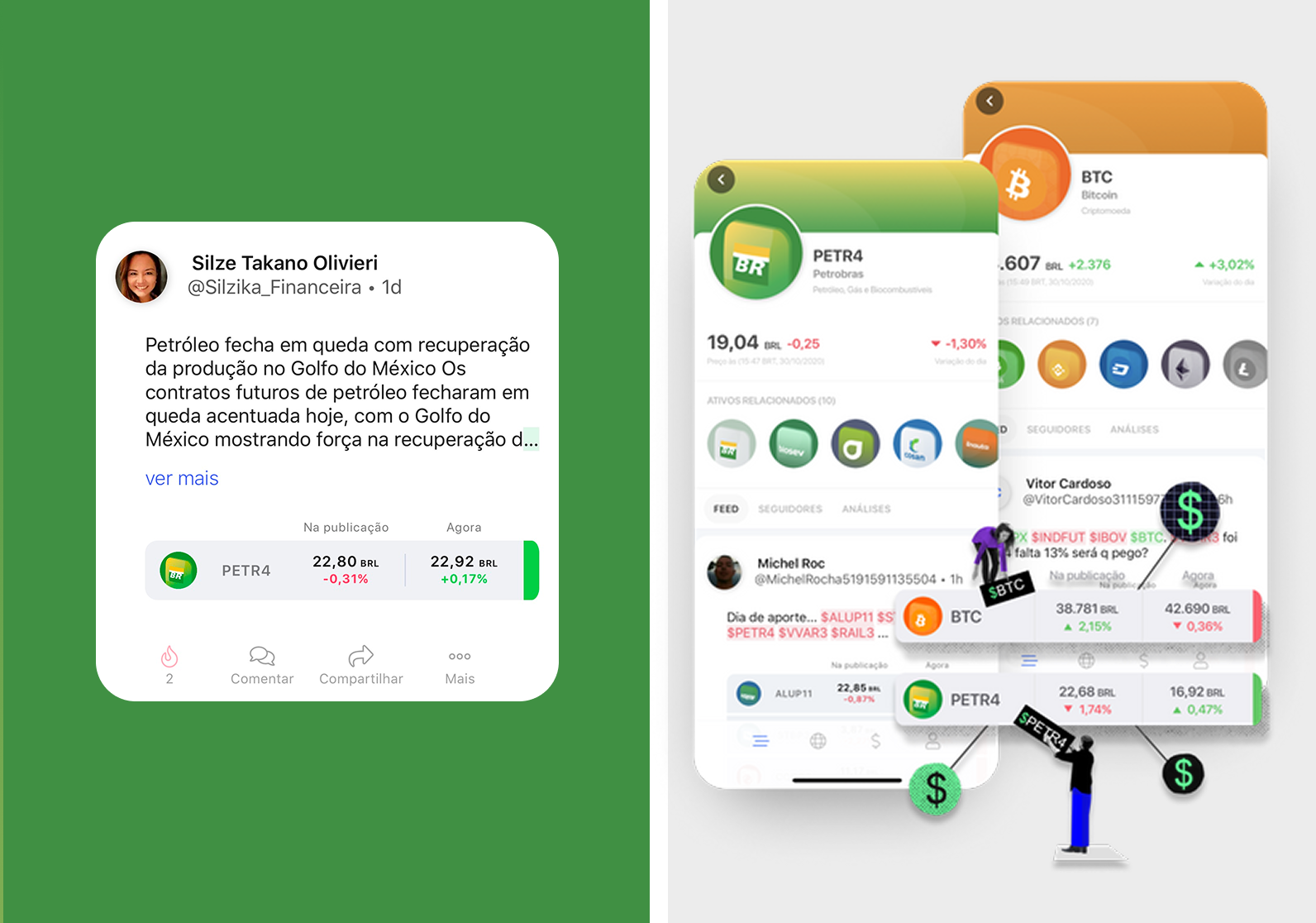
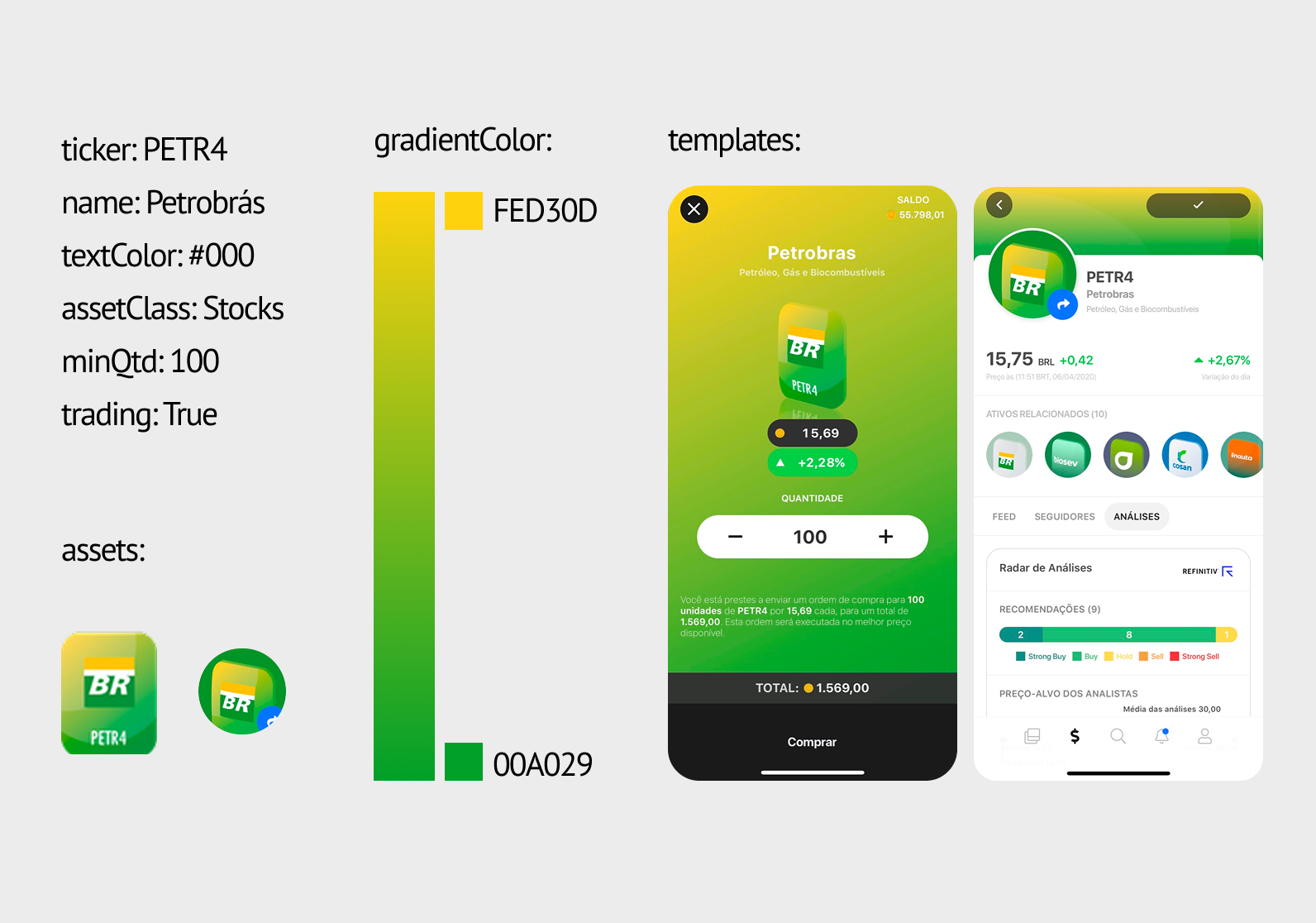
Every piece of that curated content fed a second system: moneytags. Posts referencing tickers like $PETR4 were automatically linked to live, dedicated asset profiles — pages where price data and every related post, human or curated, lived side by side. The market itself became structured, searchable, alive inside the product.
The effect compounded. Curated content kept the feed relevant. Asset profiles made that content useful. Useful content brought in real investors. And real investors started posting themselves.
What began as a machine-curated seed layer became, one post at a time, an organic market community — built not by waiting for users to arrive, but by giving them a reason to stay.
Most design systems start with components. Ours started with a question: what should Leadr feel like, and what should it never become? Before a single button was styled, the team partnered with Leadership and distilled the product down to five design principles — a decision-making framework, not a mood board.
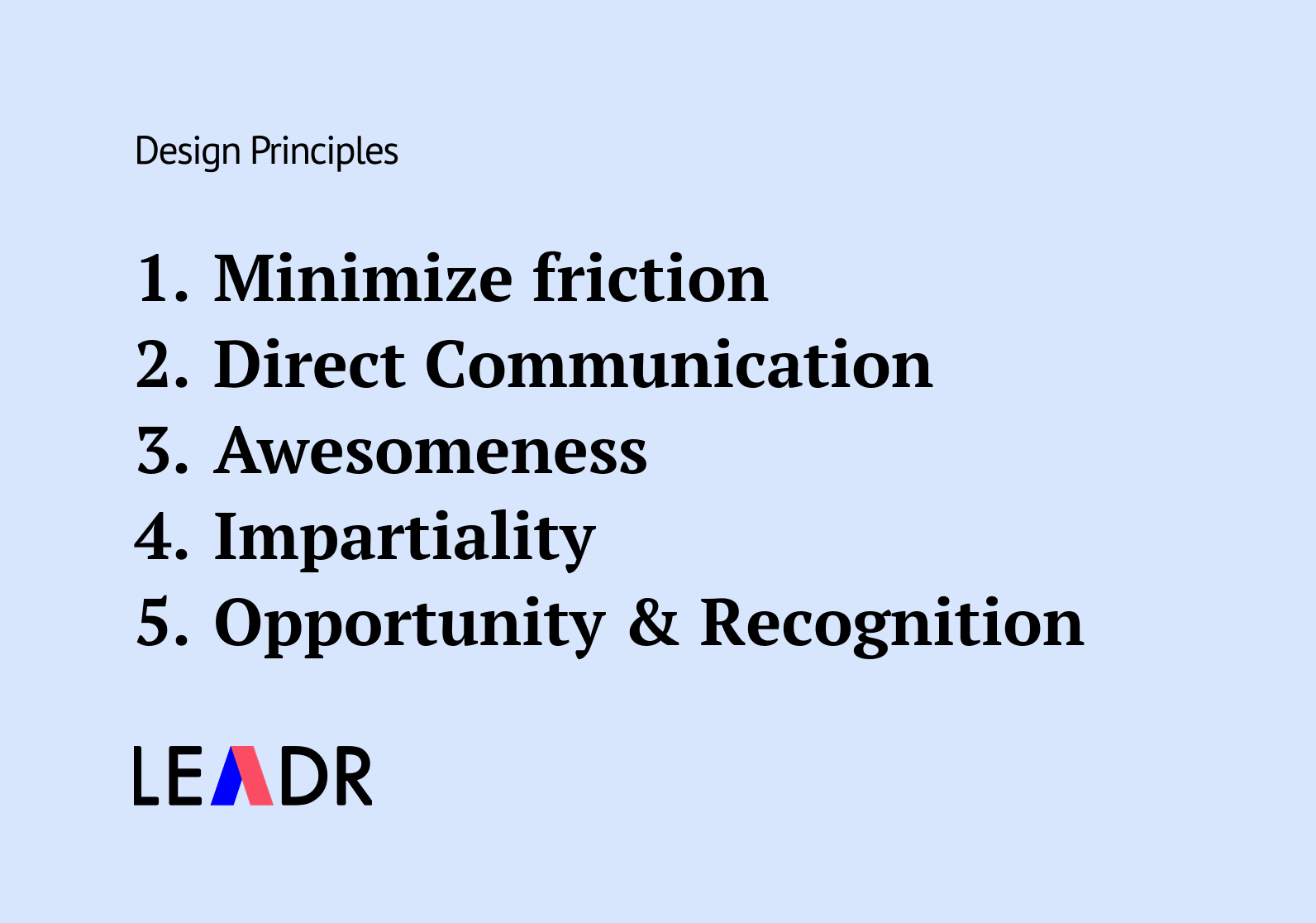
Minimize Friction meant direction over choice: single, clear actions instead of menus. Direct Communication meant surfacing only what a user needed at first glance, layering complexity in one tap at a time. A principle the team called "Awesomeness" pushed the product toward small moments of delight, like celebrating a user's first simulated profit. Impartiality meant the platform would never take a side, reflecting the market's debate rather than its own opinion. And Opportunity & Recognition meant equal access and merit-based reward for every user, regardless of status.
These weren't brand words. They were rules the team held every feature accountable to — from how an asset page was laid out, to which content got filtered out, to how the platform treated a competing brokerage's presence on its own feed.
The Leadrboard — Leadr's public ranking of its most-liked voices — was supposed to be proof of Impartiality and Opportunity & Recognition in action: an open system that rewarded merit, not status.
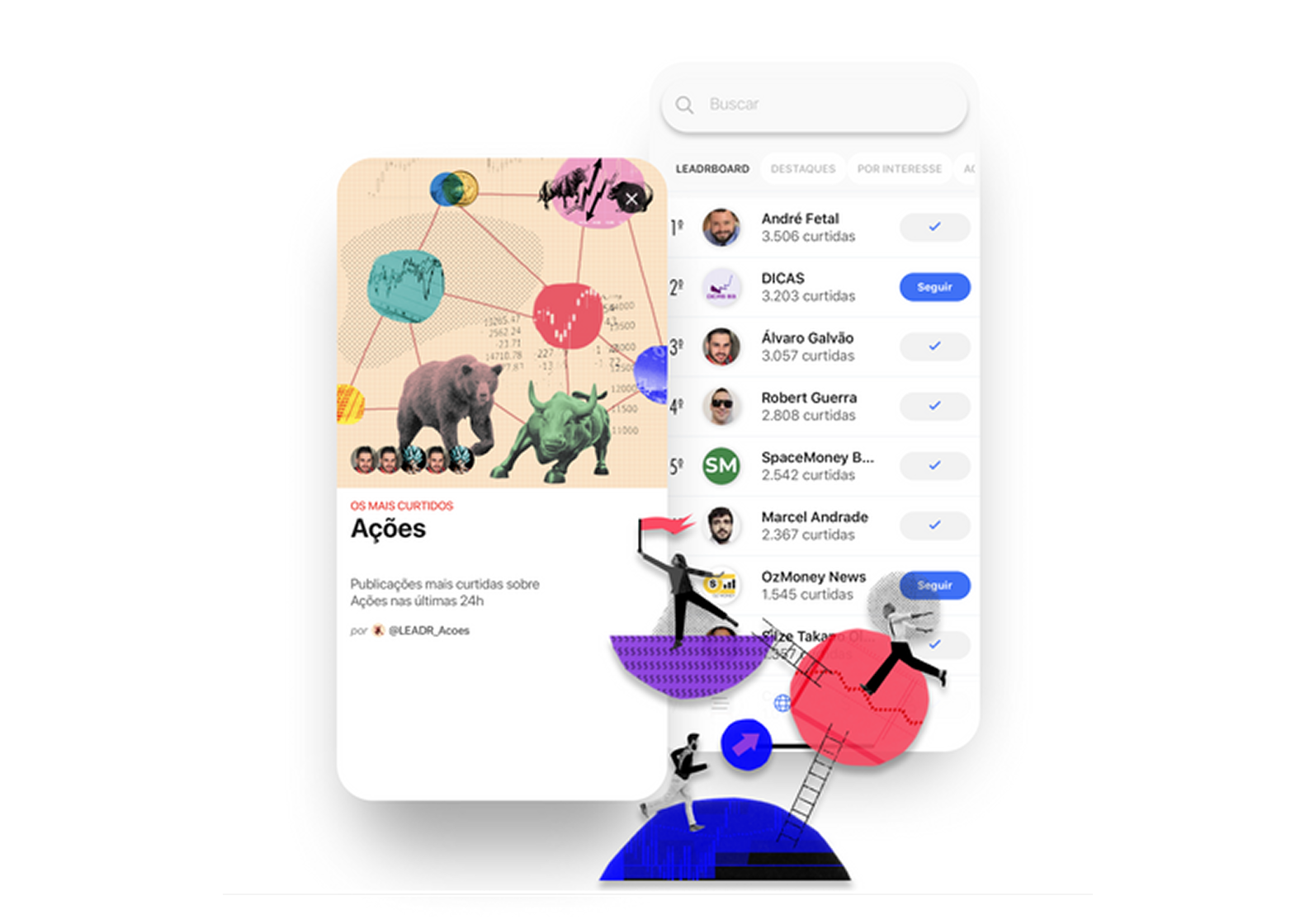
A data study told a different story. The top 15 ranked users were capturing roughly 50% of all new follows platform-wide, while everyone else saw growth near zero — and the board itself had frozen solid, with no user outside the top 45 ever breaking in. A rich-gets-richer effect, undermining the very principles it was meant to embody.
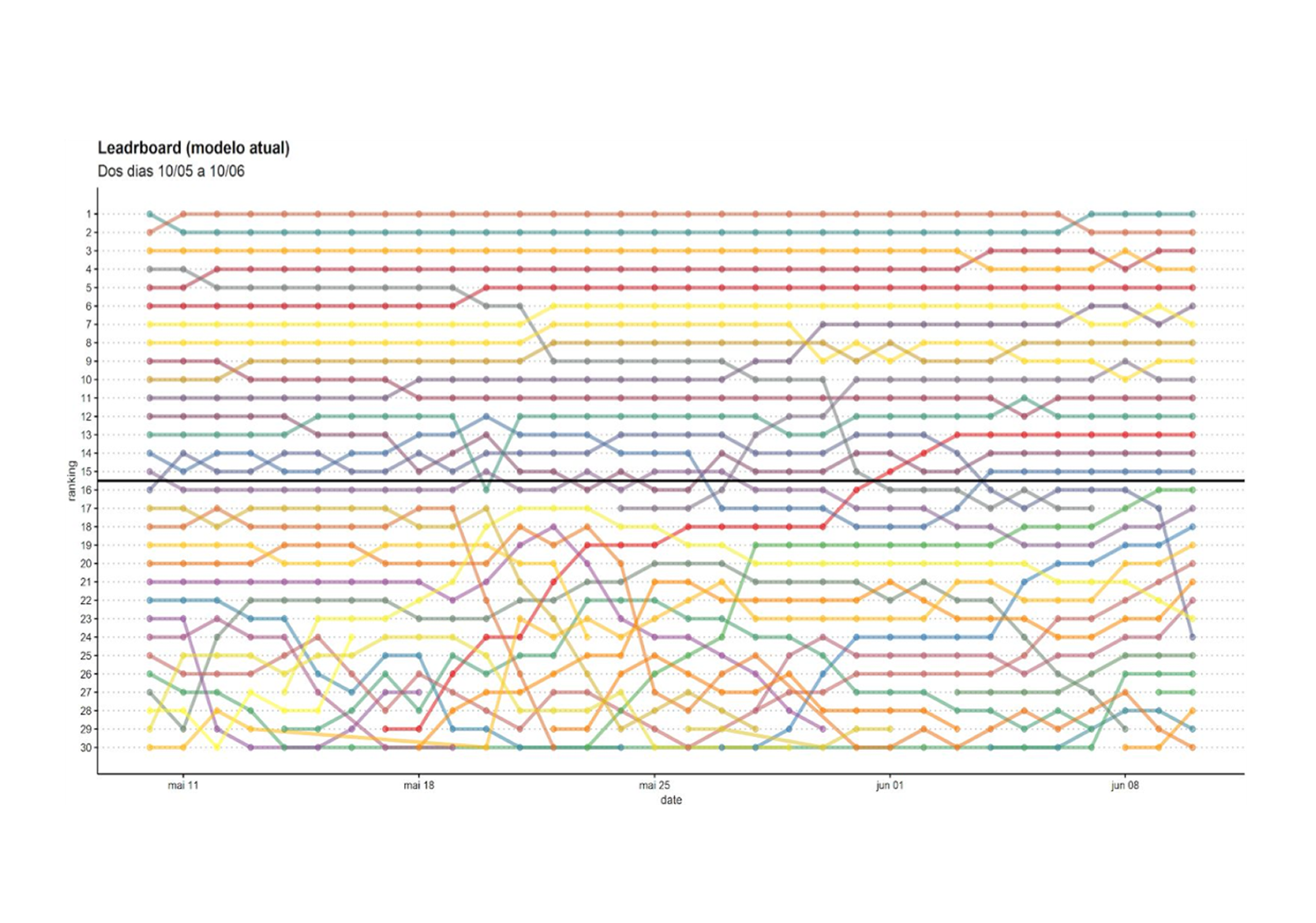
So we rebuilt the mechanism, not the messaging. The original ranking rewarded cumulative likes with no time horizon, letting early advantage compound forever. The fix: a likes-decay algorithm, where a like's weight fades over time, giving recent performance more say than historical dominance. Tested against the original model, unique users on the board climbed from 18 to as high as 70, and genuinely new voices breaking into the rankings jumped from near zero to over 30.
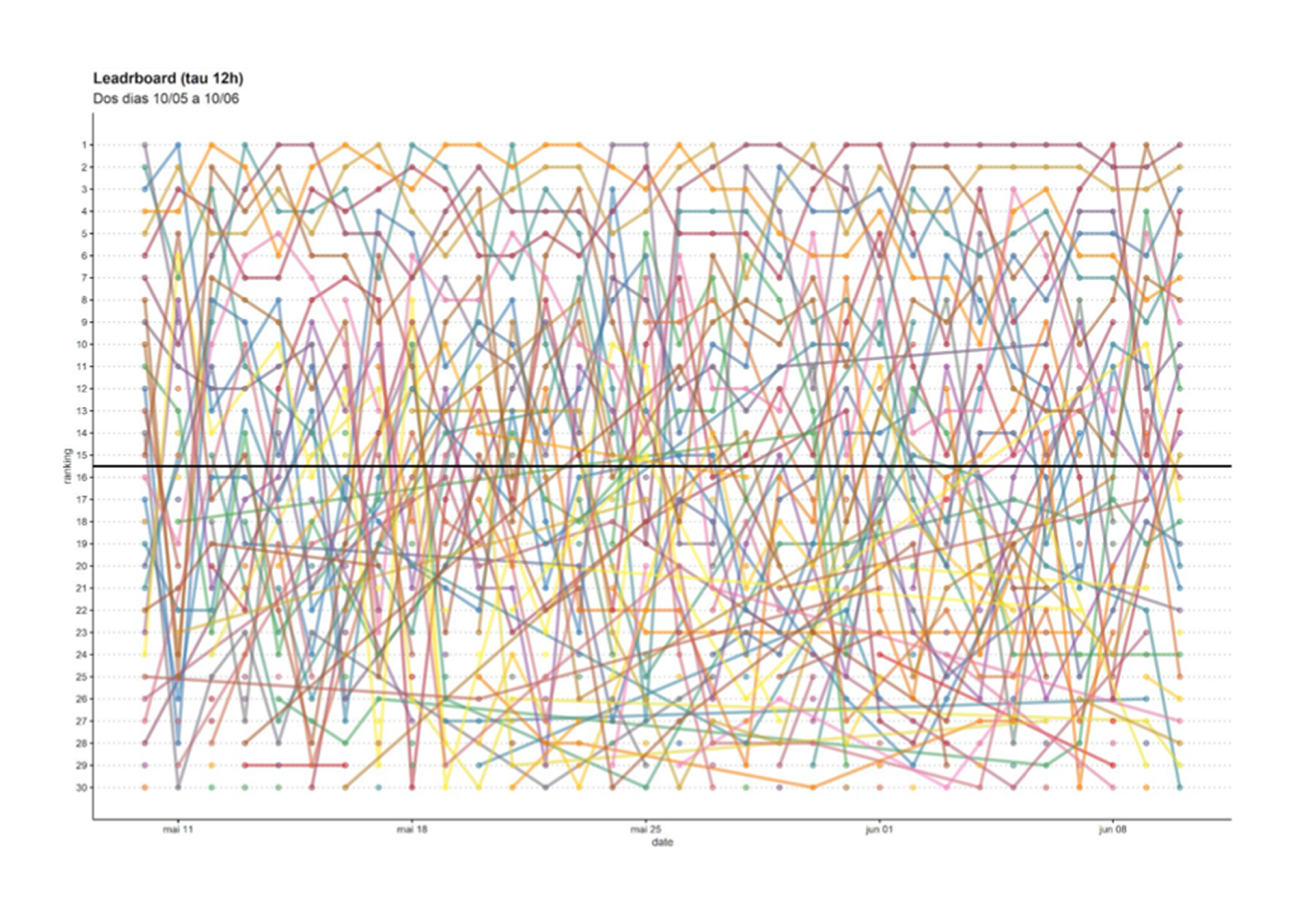
It's proof that a principle written on a post-it can end up living inside a scoring formula — and that "impartial" and "merit-based" meant something measurable, not just aspirational.
Investing is intimidating before it's ever interesting. Most people don't avoid the market because they don't care — they avoid it because the first step feels too high-stakes to take. So we built a way to take it anyway.
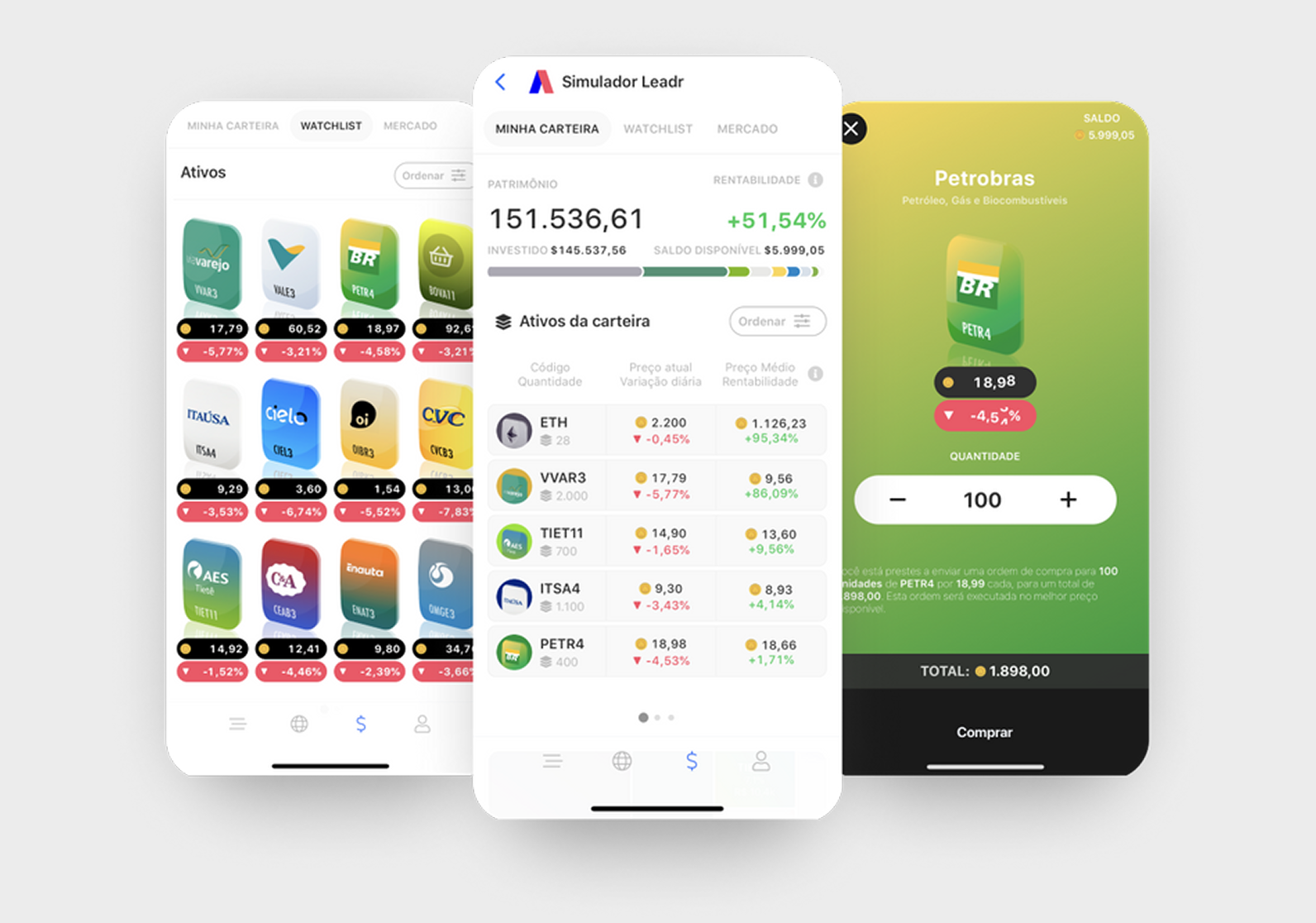
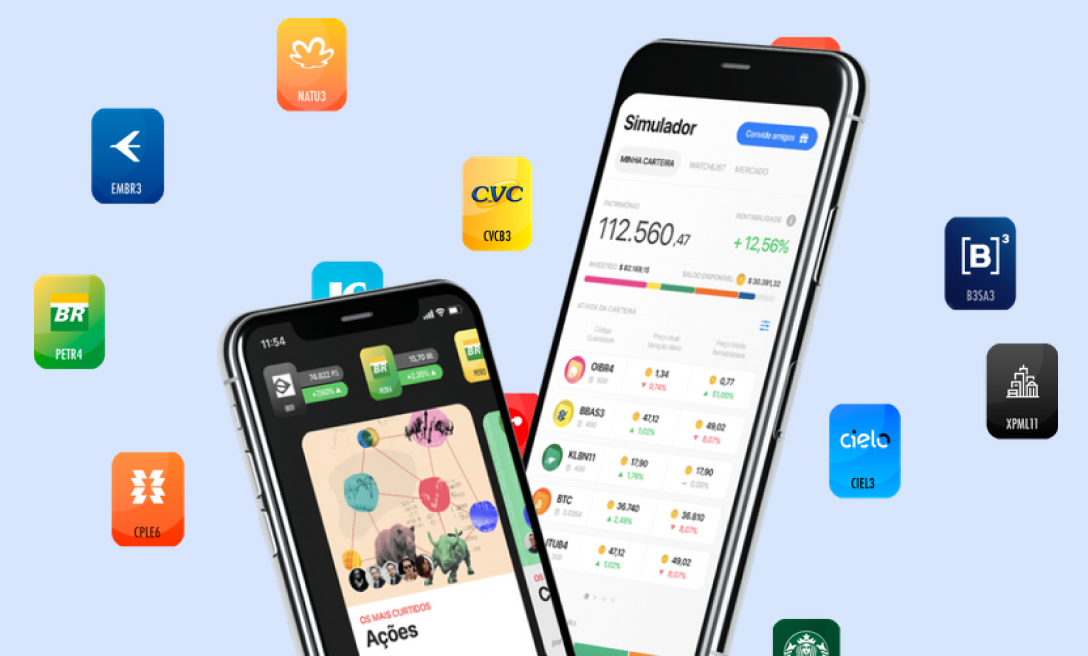
Every user entered the Leadr Simulator with R$100,000 in fictional capital and real, live market data — stocks, funds, indices, commodities, and crypto — powered by a direct feed from B3 through an educational partnership. Nothing about the prices was simulated. Only the risk was. That distinction shaped every design decision that followed, and it traced straight back to three founding principles.
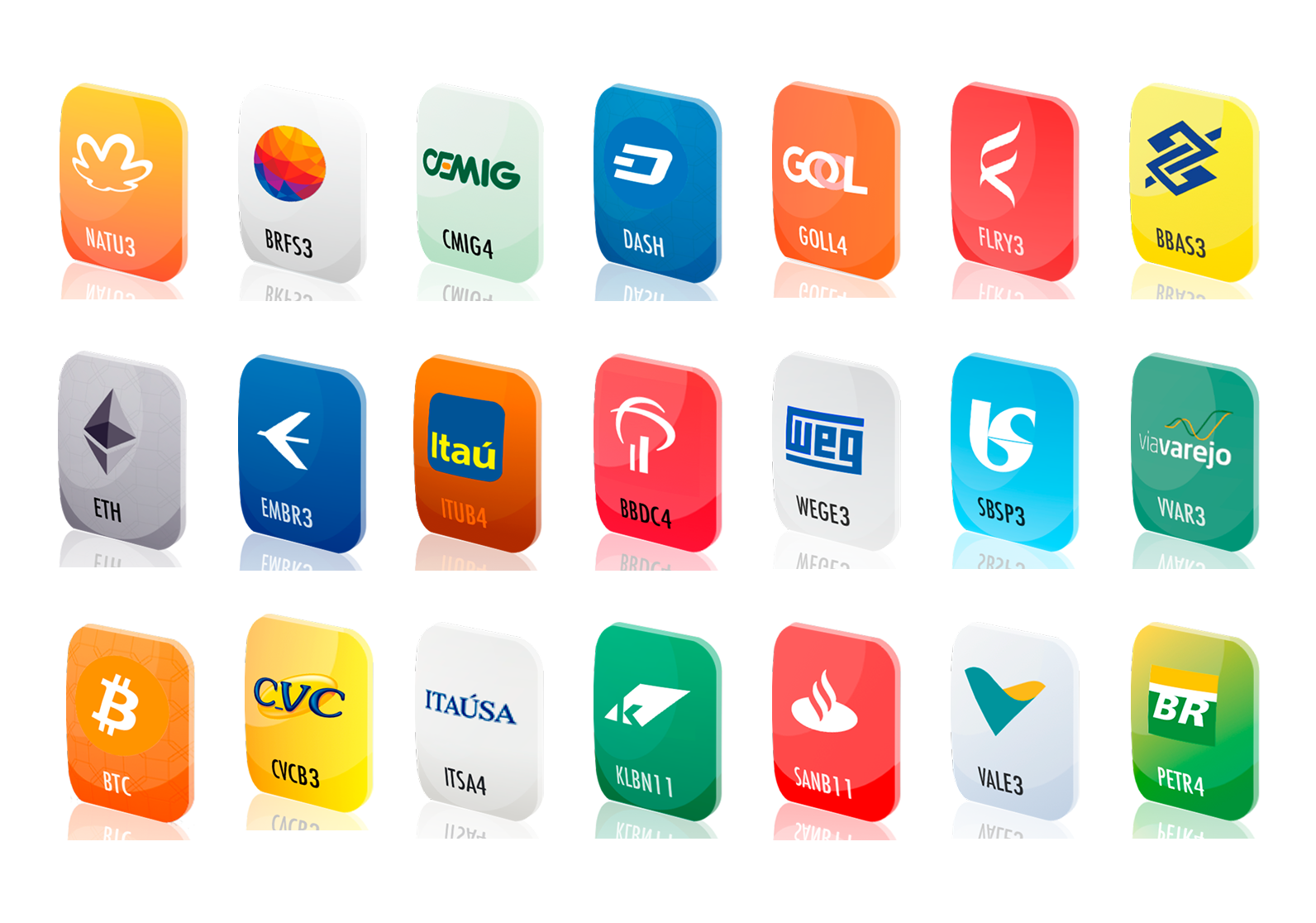
Minimize Friction meant collapsing the market's complexity into a single glance. Assets weren't listed — they were designed as collectible cards, each with its own color, icon, and identity, arranged on a shelf like something to browse and gather rather than analyze, even though users could access professional analyses with a single click. Buying meant tapping a card, adjusting a quantity with a plus and minus, and confirming — a single, uninterrupted action from discovery to order.
Direct Communication meant the portfolio never made a user work for the numbers that mattered. Net worth, return percentage, and available balance sat at the top of the screen before anything else — the "what am I doing" answered before the "how do I do it." Each holding surfaced its average price and daily performance right alongside its quantity, so understanding a position never required a second screen.
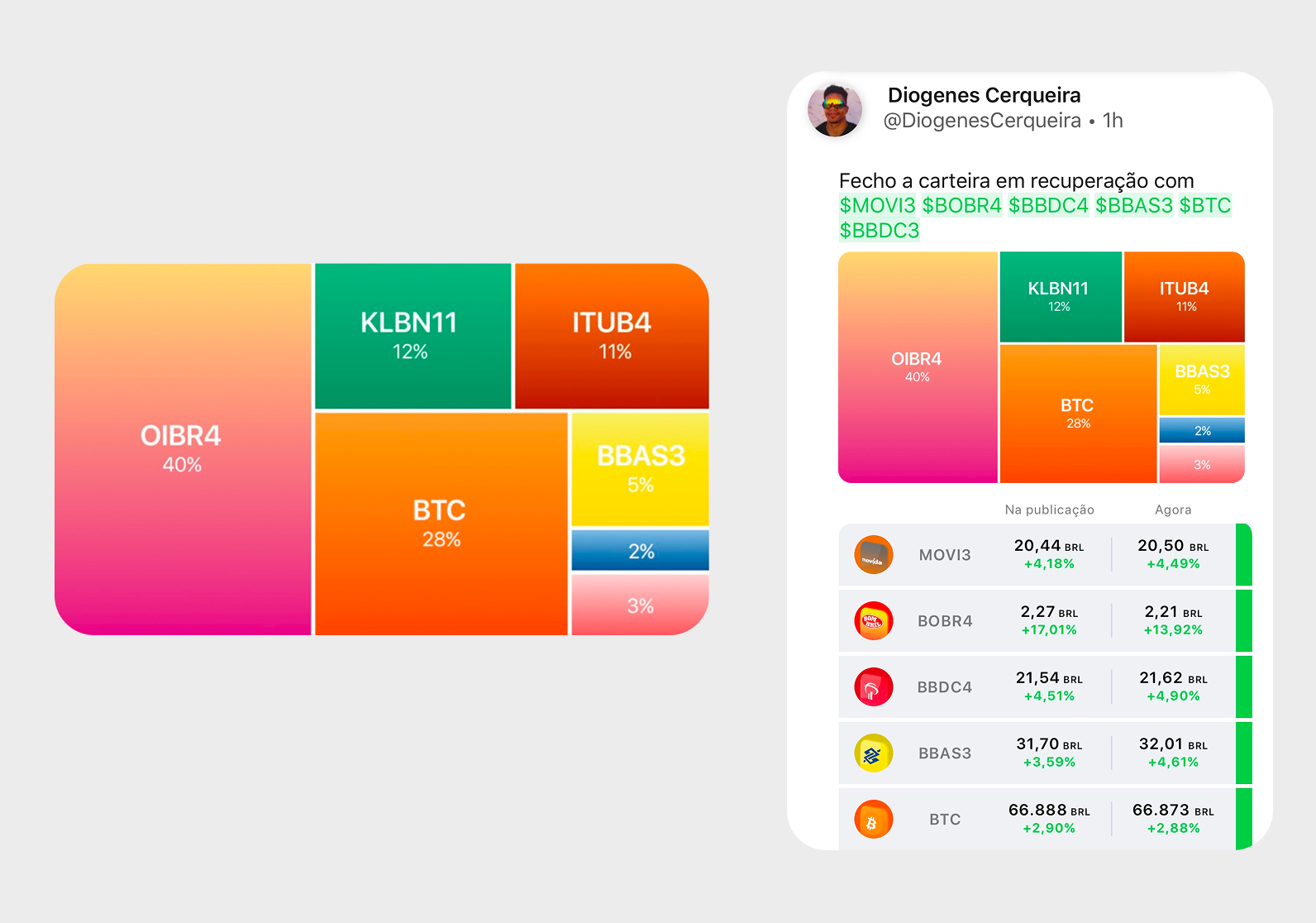
Awesomeness meant the simulator had to feel like something worth sharing, not just using. Portfolios could be published and browsed publicly — turning a personal exercise into a social one, where seeing someone else's card collection outperform yours was as motivating as any tutorial could be.
A simulator proves you can invest. A tournament proves you're good at it.
On top of the core simulator, we built a competitive layer — leagues where users didn't just track a fictional portfolio, but ranked against everyone else running theirs. Three tournaments ran on the platform: Expert XP, Rico, and Leadr's own Season One, each with public leaderboards showing real-time standings, portfolio composition, and returns down to the individual holding.
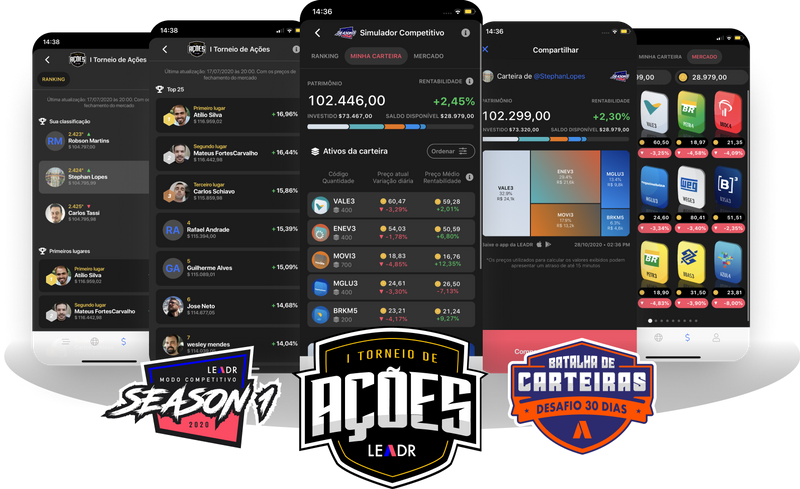
The design leaned into the same instincts that made the simulator work — dark, competitive UI, ranks and badges, a "Battle of Portfolios" format that made investing feel like a bracket, not a spreadsheet. Sharing a portfolio wasn't an afterthought; it was built into the ranking screen itself, so a top-15 finish was something to post, not just achieve.
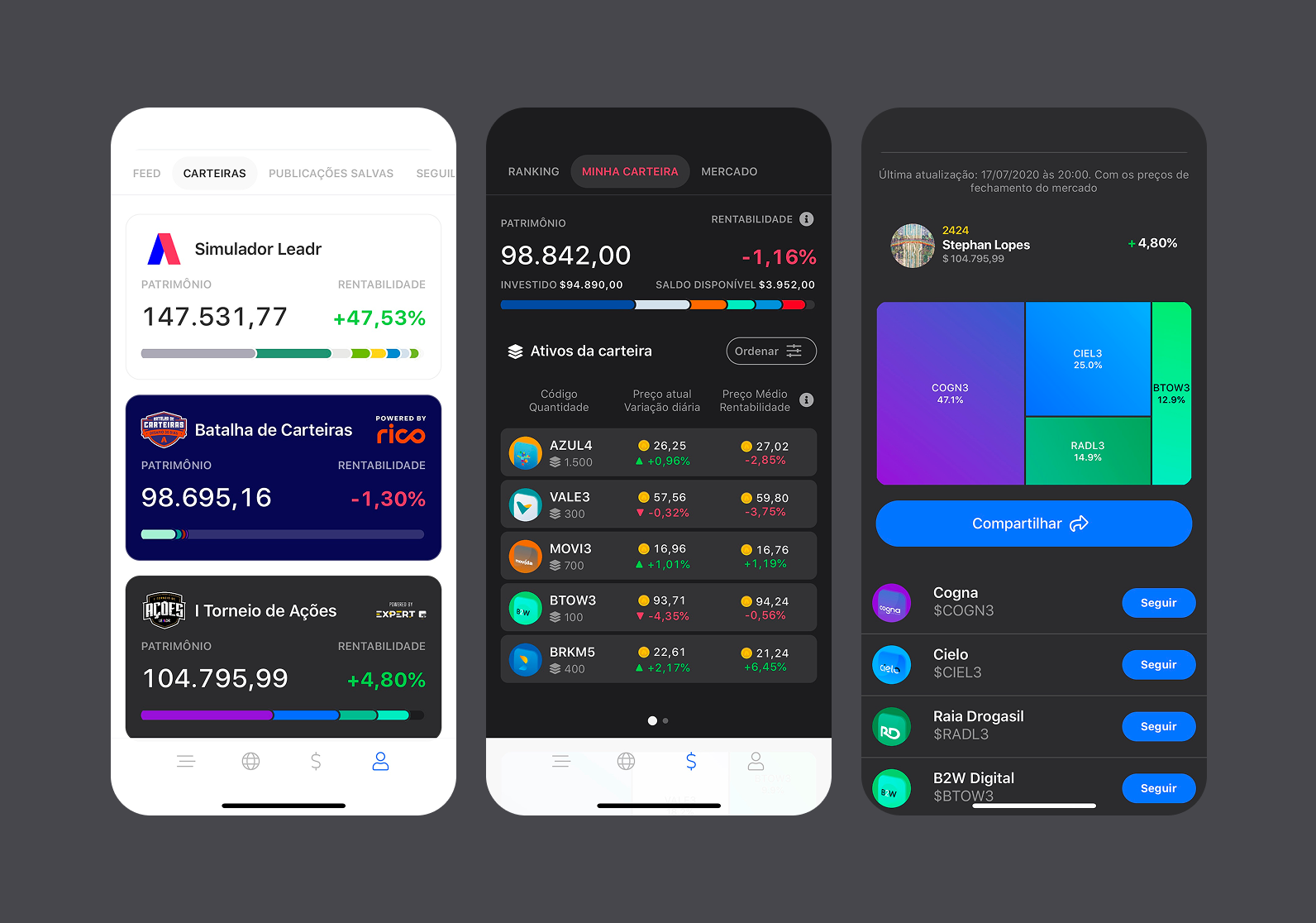
But the prizes weren't fictional. Winners took home real cash — seed capital that let someone who'd only ever practiced on play money take their first real position in the market. That was the point the whole product had been building toward: the simulator lowered the barrier to entry, and the leagues gave the best-performing users a reason, and the means, to walk through it.